Mapping Your Path Through Today’s Dealer Network for Smarter Vehicle Decisions
Start by defining the scope of your search in practical terms: model class, trim tolerance, and must-have options. This frames your window across franchise stores and independent lots without locking you into a single outcome. Assess nearby inventory patterns, but also verify how far you’re willing to travel for a better fit. In practice, a broader radius can unlock build combinations and mileage ranges you wouldn’t find locally.
Next, examine the lifecycle stage of each vehicle you’re considering. New, certified, and pre-owned each carry different inspection standards, warranty contours, and reconditioning depth. Inspect listing photos for panel gaps, tire wear, and interior sheen, then validate with a walkaround. Meanwhile, ask for service histories where available, and document anything unclear so you can revisit it before you sign. This habit reduces surprises after delivery.
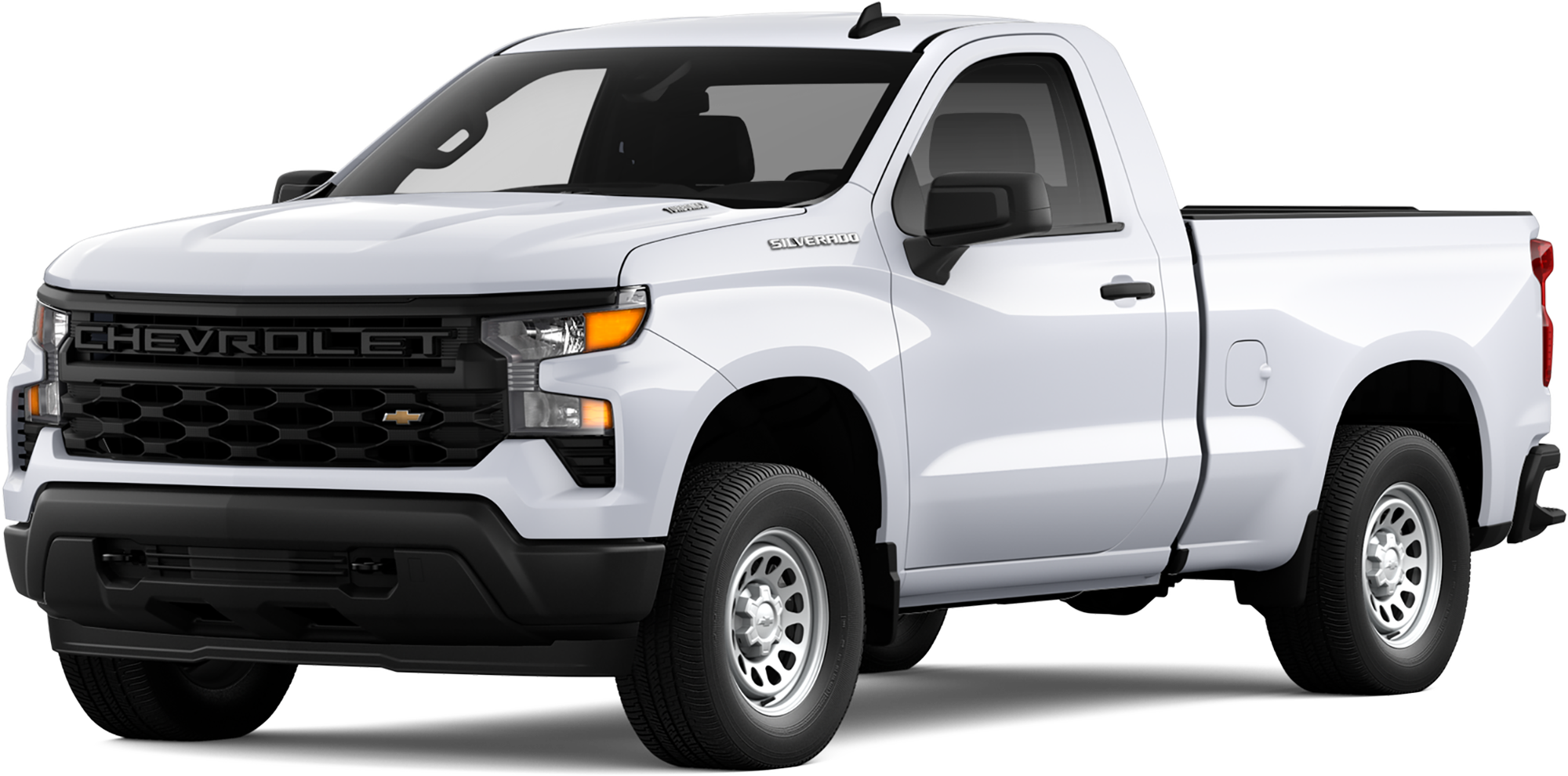
Beyond that, map the vendor fit for your ownership style. Some buyers value rapid service lane access and extended hours, while others prioritize the breadth of used options. A chevy dealership may emphasize factory tooling and training, whereas a used car dealership could offer broader cross-brand comparisons. Align these differences with your planned mileage, commute demands, and appetite for feature complexity over the next several years.
However, don’t overlook test-drive logistics. Sequence appointments to sample similar models back-to-back while impressions remain fresh. Then vary road conditions to hear suspension noise, feel transmission behavior, and gauge driver-assist calibration. Validate ergonomics by adjusting seats and mirrors quickly; if it takes too much fiddling to feel natural, that’s meaningful. Document settings that worked so you can replicate them on the next drive for a cleaner comparison.
Often, financing structure shapes the right destination as much as the vehicle itself. Inspect rate tiers, term flexibility, and early payoff policies, and buffer your plan with a preapproval from a trusted lender. This narrows decision time on the lot and helps you refine monthly targets. In practice, matching incentive eligibility with vehicle availability can be the lever that makes a specific trim sensible.
Meanwhile, service capacity and parts pipelines matter for long-term satisfaction. Verify typical appointment lead times, loaner access, and diagnostic capability for newer tech. A chevrolet dealership will usually have direct channels for software updates and campaign work; a car dealership with mixed brands might rely on broader networks. Maintain a calendar reminder for the first service interval, and ask how they handle drop-offs during peak seasons.
Then, compare reconditioning depth across pre-owned selections. Some stores scope multi-point inspections with detailed checklists, while others summarize findings briefly. Ask for tire measurements, brake life estimates, and battery testing results. Inspect paint thickness reports if provided, and validate any aftermarket additions for quality and warranty overlap. These small verifications help you avoid paying later for wear items that should have been addressed upfront.
Finally, evaluate transparency signals before you commit. Review purchase documents for add-on packages, verify VINs across paperwork, and confirm that any verbal assurances appear in writing. Calibrate your expectations around delivery timing and plate processing. If something feels rushed, phase the decision by placing a conditional hold rather than forcing a signature. This keeps leverage intact without burning the opportunity you’ve already sourced.
Beyond pricing, think logistics and handoff. Inspect spare keys, floor mats, charging cables if applicable, and the tool kit. Validate that the infotainment system is reset and maps are updated. Ask for a quick tutorial on safety features so you leave confident about calibration workflows. Then save digital copies of everything, including service contact info, so future support is one search away when you need it.
In summary, treat the landscape like a network to be navigated, not a single doorway to pass through. Sequence your research, test, and paperwork phases deliberately, and refine each step with notes. Whether you land at a chevrolet dealership or explore options across a used car dealership, a staged approach lowers stress and raises confidence. The goal is a vehicle that fits your daily realities without compromising future flexibility.